
The Suicidal Survivor
Life After LifeThis character thread follows Moody’s reported cases of suicide attempts from unresolved distress through survival and a renewed commitment to living.
increasing Bearing strength in each event
 decreasing
Bearing strength in each eventdecreasingProblems Before the Attempt

Seeking an Escape
A Crisis of Circumstances
The people Moody discusses attempt suicide while trying to escape problems that feel unbearable. The causes and circumstances differ, cautioning against treating suicidal behavior as one simple story.
A Question Without a Formula
Moody says near-death reports cannot provide final answers to the ethical and psychological questions surrounding suicide. His account is limited to the experiences he has heard.
The Problem Persists
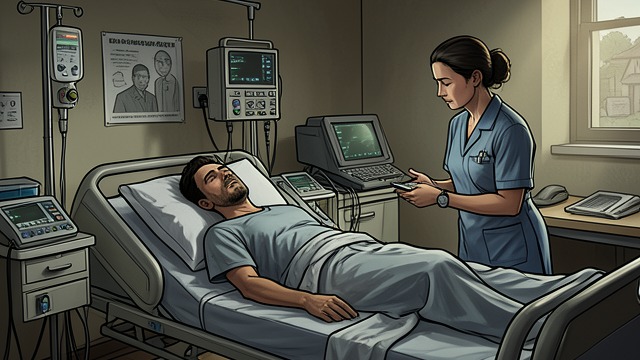
No Escape Across the Threshold
The Same Difficulty
People who survive attempts say that the problem they wanted to escape remains unresolved in the experience. Death, in their telling, does not automatically remove the source of distress.
A Repeating Cycle
One woman describes reliving the troubling situation repeatedly, each time hoping it is over before it begins again. The cycle turns attempted escape into a confrontation with the very thing she wanted to leave.
A Sense of Penalty
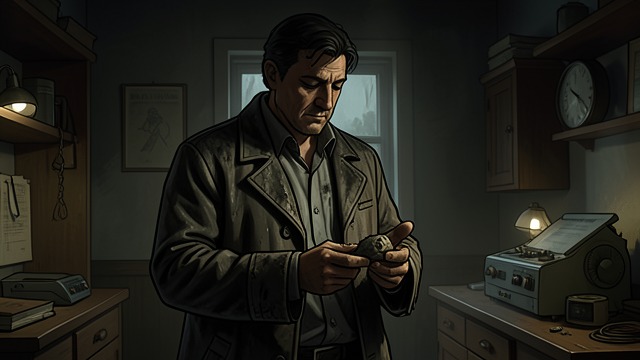
Consequences Imagined
An Unfortunate Act
Some people who approached death through other causes say they received the impression that suicide carried a penalty. One describes it as returning a gift to God.
Harm to Survivors
Another account emphasizes witnessing suffering caused to others. These are reported impressions, not a complete or universal doctrine established by Moody’s cases.
Glad to Have Returned

Regret and Relief
A Changed Judgment
The survivors Moody describes say they would not try suicide again. They come to regard the attempt as a mistake and feel glad that they survived.
Life as Limited Time
One man says earthly life is a short period in which much remains to be done. His changed view turns survival into renewed purpose rather than a desire to repeat the experience.
The Need for Compassion

Understanding Instead of Condemnation
Questions Remain Open
Moody raises hard cases involving different cultures, self-destructive habits, altruistic motives, and severe mental suffering. He does not claim that the reports resolve these distinctions.
Human Care
A psychiatrist tells him that a suicidal person needs love and understanding, not judgment from fellow human beings. This emphasis moderates the chapter’s reported warnings with compassion.
Before the suicidal near-death encounters Moody describes
During a reported suicidal near-death experience
During accounts of suicide encounters collected after Moody’s first book
After the suicidal survivors are revived
At the conclusion of Moody’s discussion of suicide
